 Philosophy and consciousness
Kant and Artificial Intelligence
Kant and artificial intelligence: an essay on the limits of knowledge, the organization of experience and the differences between human cognition and computation.

Knowledge, perception, intelligence and human experience: reflections on what we can understand, feel and choose.
Philosophy and consciousnessKant and artificial intelligence: an essay on the limits of knowledge, the organization of experience and the differences between human cognition and computation.
 Philosophy and consciousness
A reflection on the limits of reducing intelligence to language, connecting AI models, nonverbal thought, neuroscience, and conscious experience.
 Philosophy and consciousness
AI and human creativity: an essay on general intelligence, scientific discovery and the leaps of thought associated with Einstein, Planck and Tesla.
 Philosophy and consciousness
Descartes, Spinoza and consciousness in AI: an essay on anthropomorphism and our tendency to attribute feelings and an inner life to algorithms.
 Philosophy and consciousness
Is consciousness fundamental to the universe? A philosophical essay on subjective experience and the relationship between mind, matter and reality.
 Philosophy and consciousness
Perception and reality: an essay on apparent continuity, the limits of the senses and what our representations of the world leave unseen.
 Philosophy and consciousness
From Plato and Descartes to The Matrix: a reflection on perception, the simulation hypothesis, and the limits of what we can verify about reality.
 Philosophy and consciousness
Stoicism, phenomenology and existentialism: a reflection on the limits of action and the freedom to interpret reality without ignoring injustice.
 Philosophy and consciousness
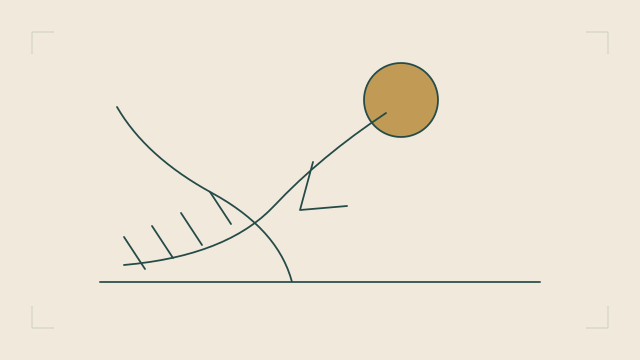
An essay on attention, hurry and everyday life: what we overlook when we treat the journey as a mere interval before the next achievement.
 Philosophy and consciousness
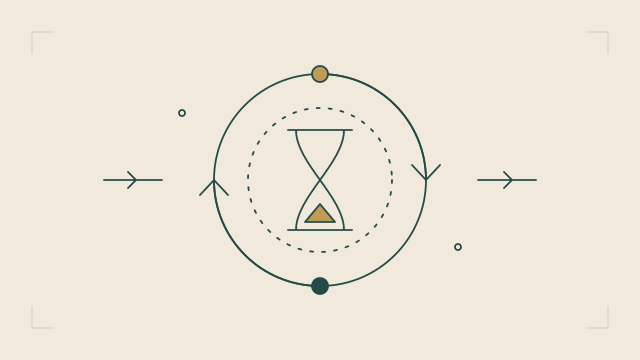
Nietzsche’s eternal recurrence in dialogue with physics and cosmology: a reflection on time, identity, and responsibility for our choices.
 Philosophy and consciousness
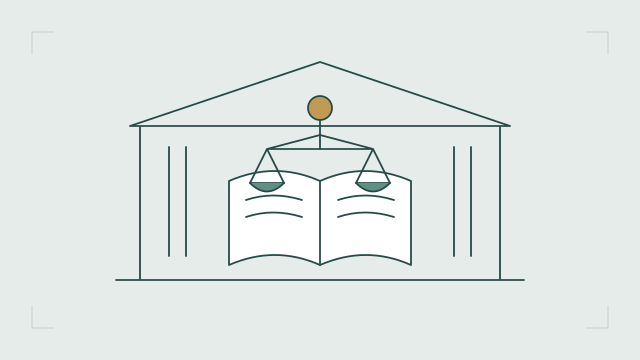
A reading of Machiavelli on power, vanity, and human weakness, reflecting on listening, discernment, and boundaries in everyday relationships.
 Philosophy and consciousness
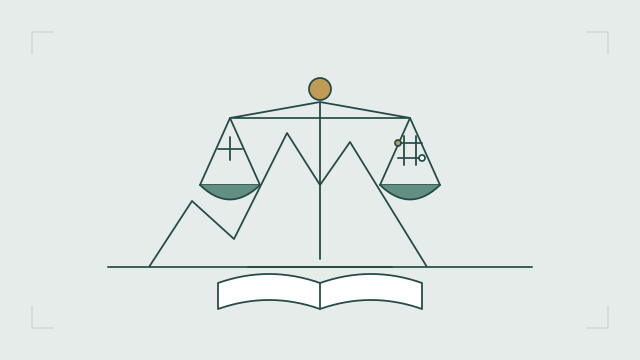
Nietzsche, nihilism, and artificial intelligence: a reflection on values, productivity, and the meaning of existence in the face of artificial cognitive abilities.
 Philosophy and consciousness
Time, relativity, and quantum physics: a reflection on observed reality, conscious experience, and the limits of scientific and philosophical knowledge.
General AI, superintelligence and autonomous evolution: exploring possible scenarios and their consequences for humanity.
 Artificial intelligence and possible futures
General AI and superintelligence: an essay exploring whether abilities beyond our own could emerge as a side effect of general intelligence.
 Artificial intelligence and possible futures
Artificial intelligence, abundance and inequality: a reflection on work, resource distribution and the persistence of scarcity in an automated economy.
 Artificial intelligence and possible futures
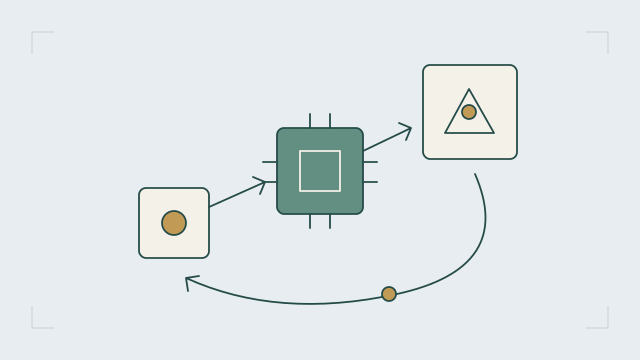
Recursive self-improvement, superintelligence and alignment: a reflection on AI autonomy and the limits of human control.
Responsibility, cybersecurity, work, digital life and public debate: understanding changes in our collective life.
 Technology and society
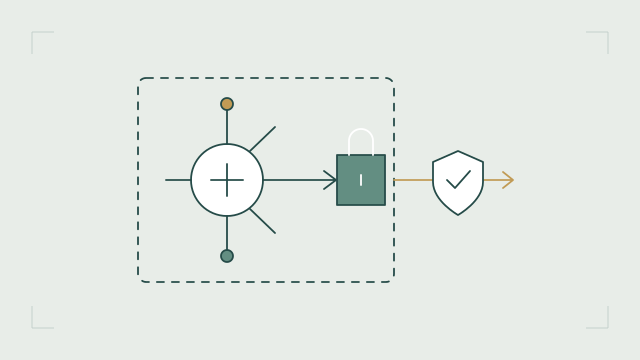
Autonomy, tools, and human control: how permissions, isolation, and oversight define the operating boundaries of artificial intelligence agents.
 Technology and society
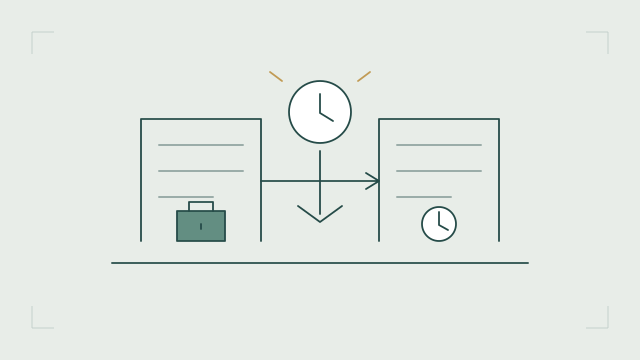
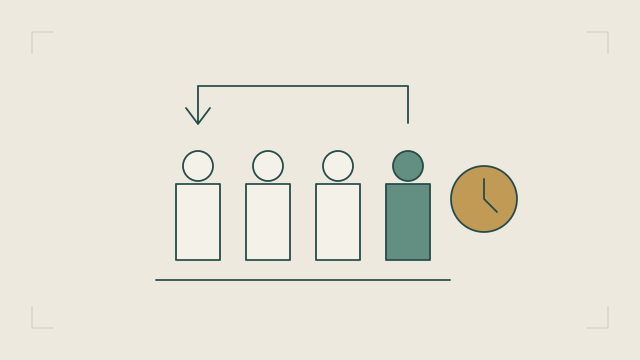
Artificial intelligence, employment, and income: a reflection on automation, free time, dignity, and the possible futures of work.
 Technology and society
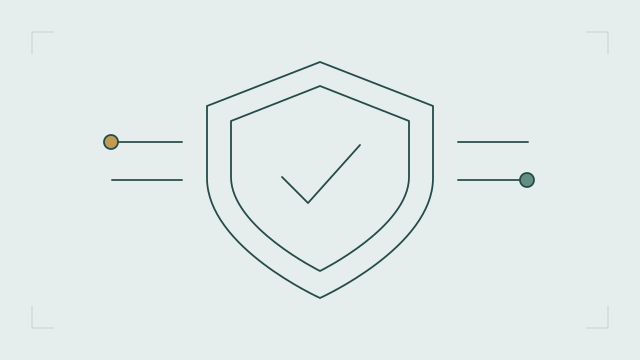
Architecture, permissions, and human oversight: the challenges of autonomy, security, and governance in the use of artificial intelligence agents.
 Technology and society
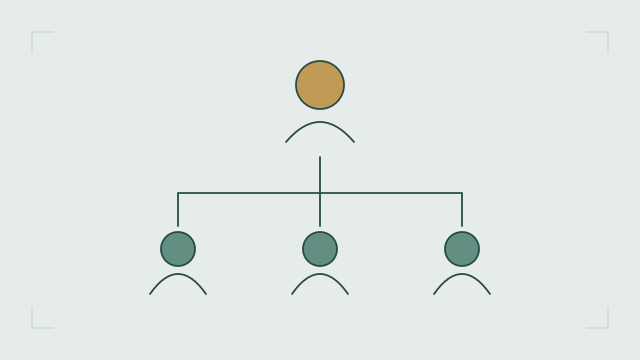
AI in cybersecurity: a reflection on algorithmic autonomy, predictive defense, Zero Trust and the challenges of human oversight.
 Technology and society
Leadership in the age of AI: an essay on the all-knowing boss, human judgment and changing workplace relationships with artificial intelligence.
 Technology and society
Social media, exposure and privacy: an essay on digital presence and choosing to live without turning every experience into content.
 Technology and society
Identity and public debate: a critical essay on judging ideas by who expresses them and the consequences for the circulation of thought.
 Technology and society
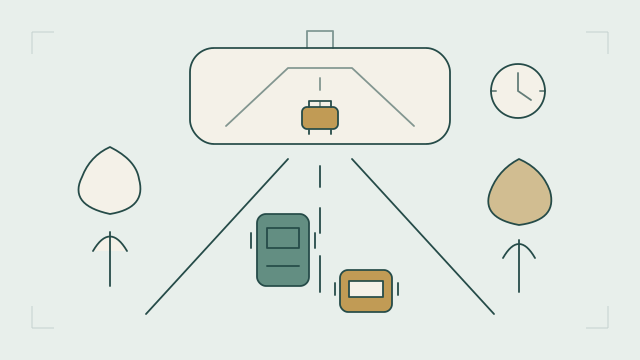
An essay on aggressive driving, everyday haste, and the challenges of living together, asking how technology reshapes our relationship with time.
 Technology and society
Toxic leadership, psychological safety, and dignity: how managing through fear affects teams, personal life, and the legacy of those in authority.
From living organisms to planets and the Universe, from scientific discoveries to the history of computing: understanding how knowledge develops.
 Science and discovery
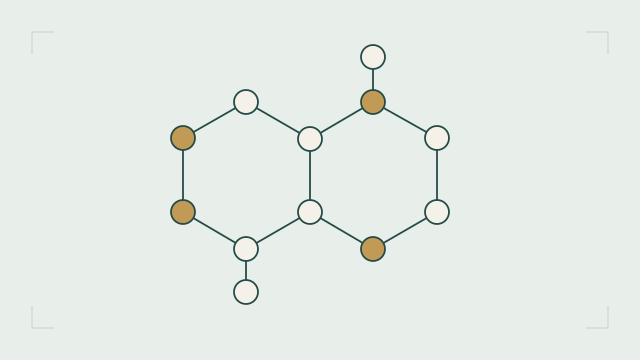
From the Nobel Prize in Chemistry to AlphaFold and Isomorphic Labs: advances, ambitions and limits of artificial intelligence in drug discovery.
 Science and discovery
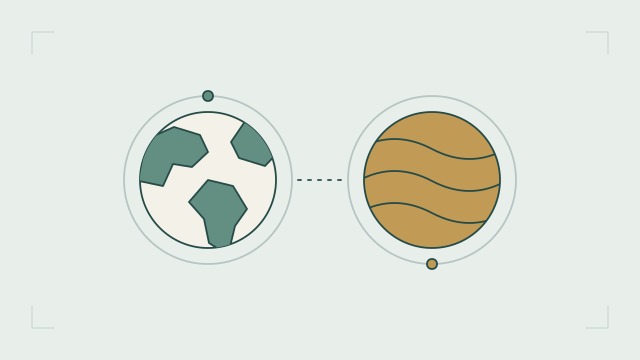
Earth and Venus: an exploration of the greenhouse effect, water, volcanism and tectonics to understand how two similar planets followed such different paths.
 Science and discovery
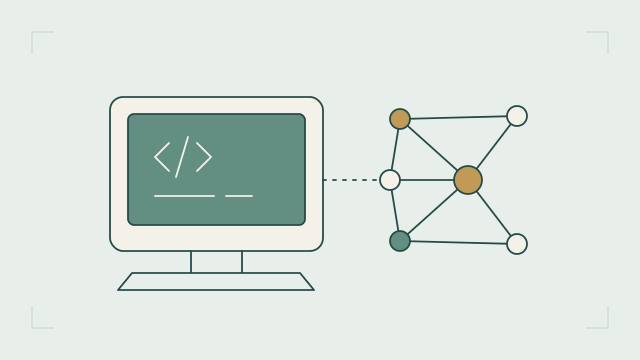
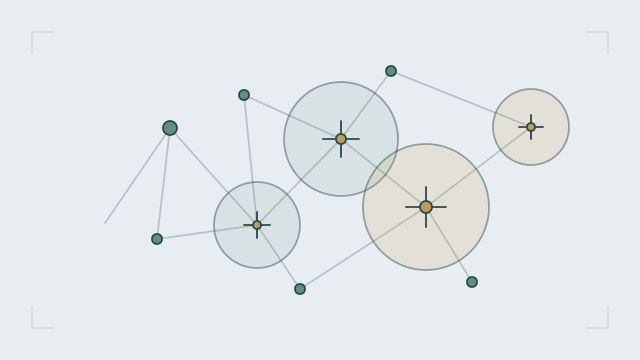
From Guido van Rossum’s Christmas holiday in 1989 to the artificial intelligence ecosystem: the history of Python and the role of curiosity in innovation.
 Science and discovery
From the Cosmic Dark Ages to the first stars: how gravity and light transformed hydrogen and led the Universe into the Era of Reionization.
 Science and discovery
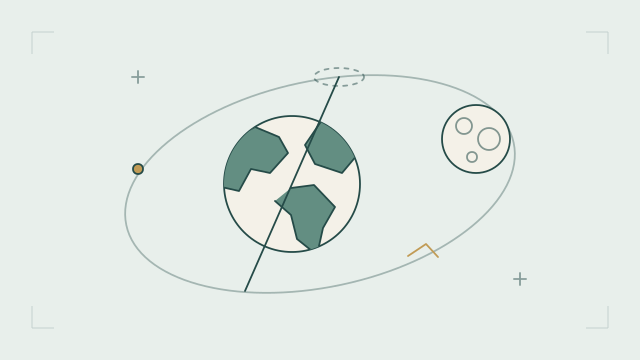
How the Moon formed, why its craters endure, and how its gravity influences tides, Earth’s axial tilt, and the seasons.
 Science and discovery
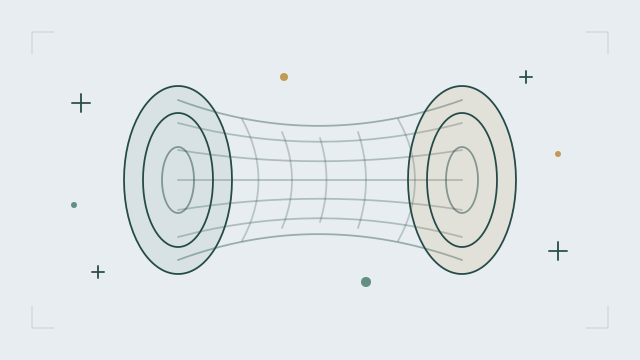
Wormholes, Einstein-Rosen bridges, and the limits of relativity: what separates a mathematical possibility from a discovery about the Universe?
 Science and discovery
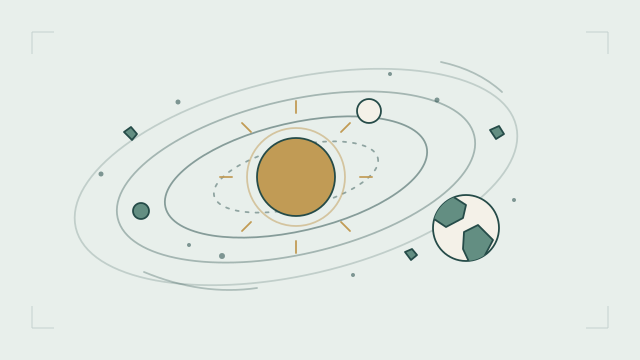
From a cloud of gas and dust to the Sun and Earth: planetary formation, protoplanetary disks, and the evidence preserved in minerals and meteorites.
 Science and discovery
From ancient Rome to the reform of 1582: month lengths, the origins of their names, and the Gregorian calendar’s leap-year rules.